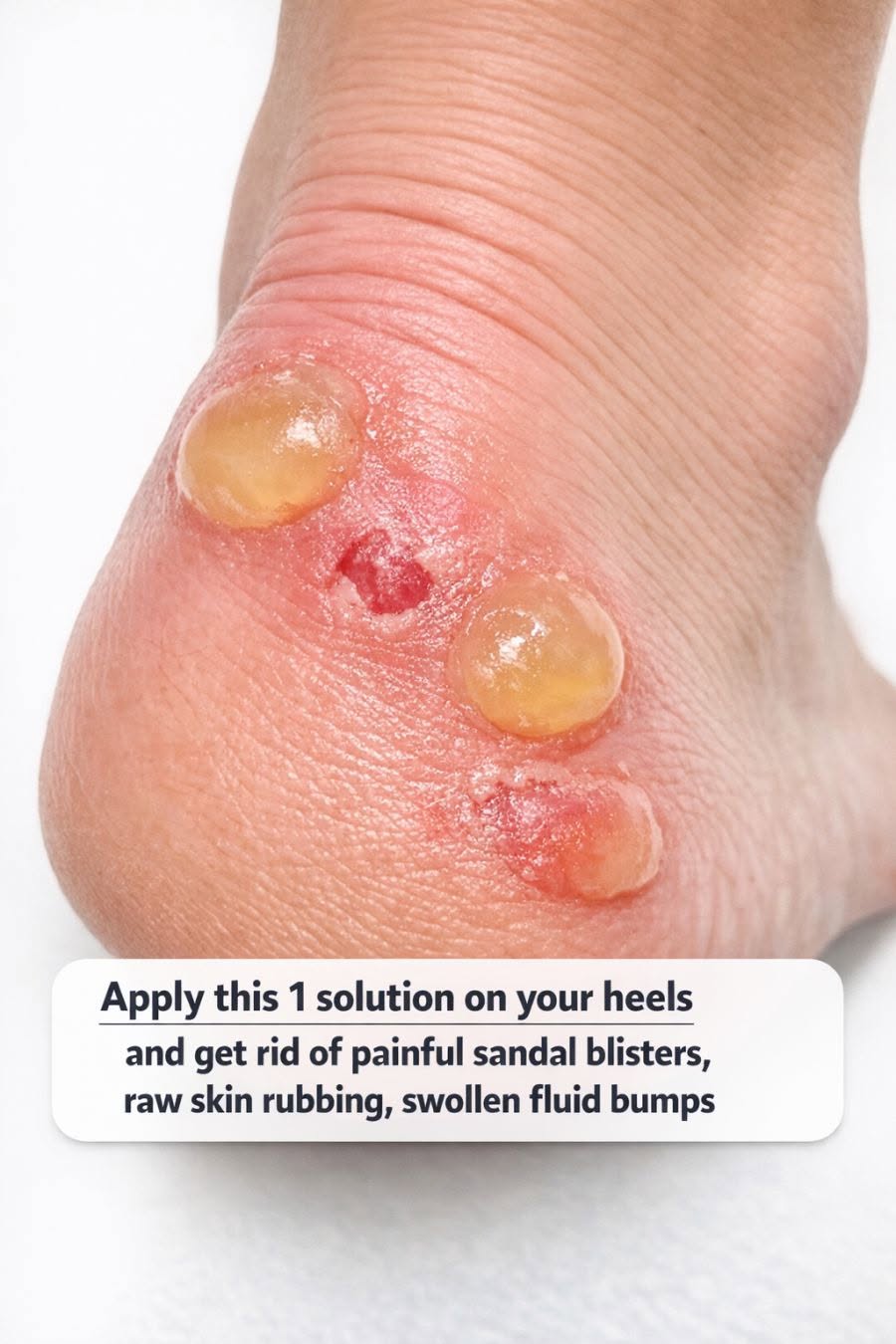
As the sunny days approach, many of us eagerly swap our closed-toe shoes for breezy sandals. However, this seasonal footwear switch often comes with an unwelcome side effect: painful blisters, raw skin from incessant rubbing, and swollen fluid bumps on our heels. These discomforts can turn a pleasant day into a painful ordeal, especially if you’re on your feet for extended periods.
But what if you could prevent these issues with a simple solution? Introducing the heel shield—a clear, flexible film that you can apply directly to your skin. This innovative product acts as a protective barrier, offering relief and prevention from the common ailments caused by wearing sandals. In this article, we will explore how this heel shield works, why it’s effective, and how you can incorporate it into your sandal-wearing routine for maximum comfort.
1. The One Magic Barrier: How A Simple Heel Film Stops Blisters Cold
The heel shield is designed to act as a second skin. Made from a breathable, flexible material, it adheres to your heel and creates a smooth surface that reduces friction as your foot moves within the sandal. This barrier prevents the repeated rubbing that typically leads to blisters.
Unlike band-aids or traditional blister pads, the heel shield is transparent and blends seamlessly with your skin. It measures just 0.02 millimeters in thickness, ensuring it doesn’t interfere with the fit of your shoe. Its adhesive is strong enough to stay in place throughout the day but gentle enough to be removed without irritation or residue.
2. Why Sandals Wreck Your Heels: Friction, Sweat, And Swelling Explained
Blisters form when friction causes the layers of skin to separate, allowing fluid to fill the gap. Sandals, with their minimal coverage and straps, often create multiple points of friction on the heel. The open design also leads to increased sweating, which softens the skin and makes it more susceptible to damage.
Swelling occurs as a natural response to irritation and pressure. The combination of friction, moisture, and swelling creates a perfect storm for developing painful blisters and raw spots, especially during long walks or on hot days.
3. Meet The Solution: A Clear, Flexible Heel Shield You Paint On
The heel shield is applied much like a liquid bandage. It comes in a small bottle with an applicator brush, allowing you to paint the film directly onto your heel. Once applied, it dries within seconds to form a smooth, protective layer.
This solution is waterproof and sweat-resistant, making it ideal for all-day wear. It’s also hypoallergenic, designed to minimize the risk of skin reactions, and can be used on all skin types.
4. How This Heel Shield Blocks Painful Sandal Blisters Before They Form
By preventing direct contact between your skin and the sandal, the heel shield eliminates the friction that causes blisters. Its slick surface allows the sandal to glide over your heel rather than rub against it.
Furthermore, the shield is breathable, reducing moisture buildup and keeping your skin dry. This helps maintain the integrity of your skin, preventing the softening that leads to blister formation.
5. Sealing Raw, Rubbing Skin So It Can Finally Heal
If you already have raw spots or blisters, the heel shield can still offer relief. By sealing the affected area, it protects the skin from further damage and allows it to heal without interruption.
The shield’s protective barrier keeps out dirt and bacteria, reducing the risk of infection and promoting faster recovery. This can be especially beneficial if you need to continue wearing sandals while your skin heals.
6. Flattening Swollen Fluid Bumps By Cutting Off The Irritation Cycle
Swollen fluid bumps, or blisters, form as a result of ongoing irritation. By applying the heel shield, you can cut off this irritation cycle. The barrier reduces the pressure and friction that exacerbate swelling, allowing the fluid to be reabsorbed by the body.
This process not only flattens existing blisters but also prevents new ones from forming, offering comprehensive protection and relief.
7. Step-By-Step: Exactly How To Apply The Heel Shield For All-Day Protection
Start by cleaning and drying your heels thoroughly. Any moisture or oils can affect the adhesive properties of the shield. Using the applicator brush, paint a thin, even layer of the shield over the areas most susceptible to friction, such as the back of your heel and along any straps.
Allow the shield to dry completely, which should take about 30 seconds. Once dry, put on your sandals and enjoy your day. The shield will stay in place until you choose to remove it by simply peeling it off.
8. Best Times To Use It: New Sandals, Long Walks, Travel Days, And More
The heel shield is particularly useful when breaking in new sandals, as this is when your skin is most likely to blister. It’s also beneficial for long walks, travel days, or any occasion when you’ll be on your feet for extended periods.
Consider applying the shield before outdoor activities, such as hiking or sightseeing, where your feet are more exposed to the elements and extended wear.
9. Pairing The Heel Shield With Smart Sandal Choices For Zero-Rub Comfort
While the heel shield provides excellent protection, pairing it with smart sandal choices can enhance comfort. Look for sandals with adjustable straps to customize the fit and reduce unnecessary movement.
Opt for sandals made from soft, breathable materials that allow air circulation and minimize moisture buildup. Additionally, consider styles with cushioned soles to absorb shock and further reduce pressure on your heels.
10. Safety Checks: Who Should Be Cautious, And When To Skip This Hack
While the heel shield is generally safe for most users, those with extremely sensitive skin or allergies to adhesive products should proceed with caution. It’s advisable to test the shield on a small area of the skin first to check for any adverse reactions.
If you have open wounds or severe blisters, it’s best to allow these to heal before applying the shield. In such cases, consult with a healthcare professional for appropriate treatment options.
11. Real-World Results: How Quickly You Can Expect Relief
Most users report immediate relief from rubbing and discomfort as soon as the shield is applied. Its protective barrier allows you to continue your activities without the constant worry of worsening blisters.
With consistent use, you can expect to see a noticeable reduction in blister formation and skin irritation within a few days. The shield’s ability to maintain skin integrity and promote healing makes it a valuable addition to any sandal-wearer’s toolkit.