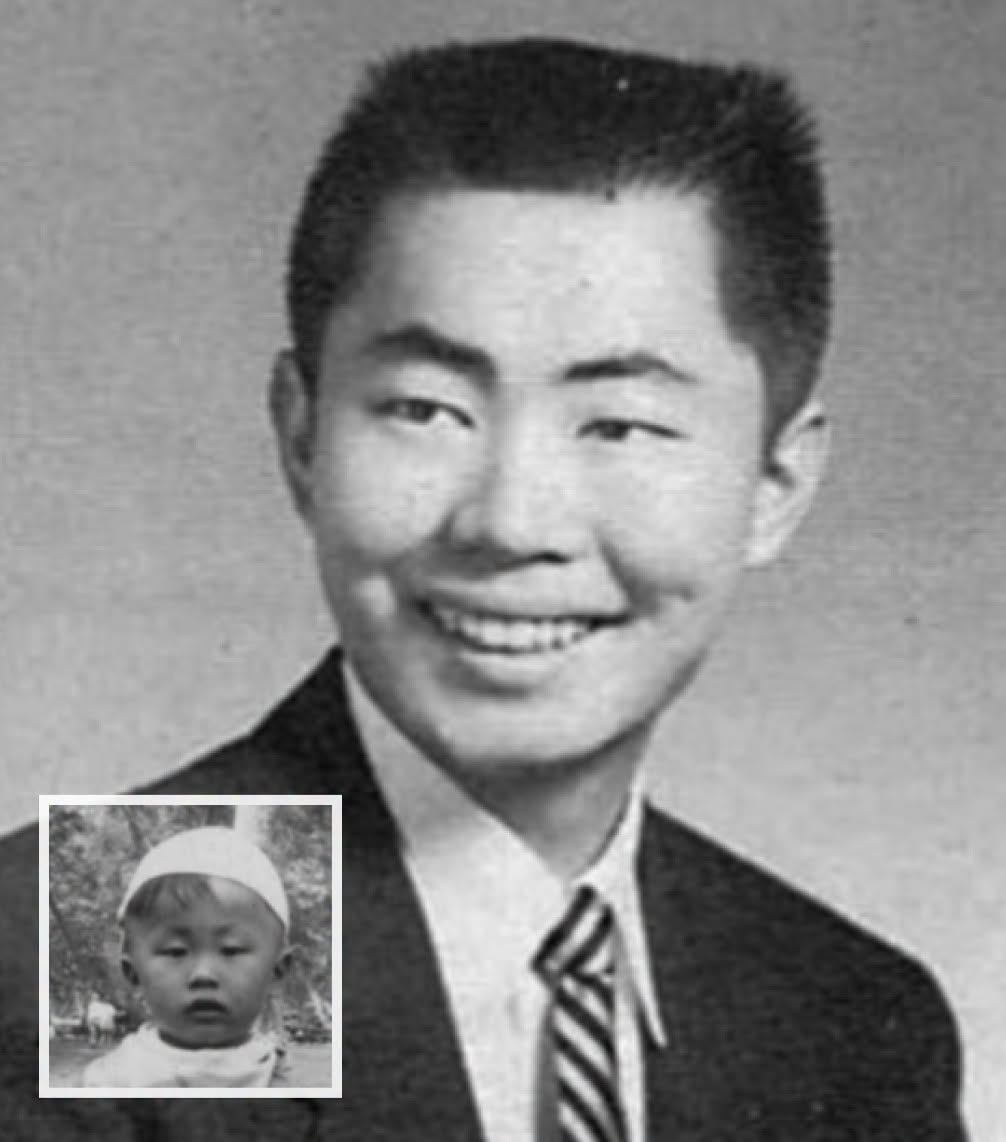
Long before Star Trek made him a household name, George Takei was a frightened young boy watching armed soldiers arrive at his family’s home in Los Angeles during World War II.
Just weeks after celebrating his fifth birthday, Takei’s childhood changed forever when military personnel ordered his family to leave their home. The future actor later recalled the terrifying moment as soldiers marched up the driveway and forced the family to pack up their lives with little explanation.

At first, the family was transported to the Santa Anita Park, where they were housed in converted horse stalls before eventually being sent to Japanese-American internment camps for the duration of the war.
As a child, however, Takei said he didn’t fully understand the gravity of what was happening. According to the actor, his father tried to shield him from the harsh reality by telling the children they were simply going away on an extended trip.
Now in his 80s, Takei has reflected on those painful experiences through his graphic memoir They Called Us Enemy, which recounts both the fear and confusion his family endured during one of the darkest chapters in American history.

The trauma did not end when the war was over.
Takei has spoken openly about how his family returned to a completely different life after leaving the camps. Their bank accounts had been wiped out, their home was gone, and their business had disappeared. With few options available, the family ended up living in a struggling section of downtown Los Angeles known as Skid Row.
For the young Takei, the experience of poverty and displacement after the war was deeply painful and left lasting emotional scars.
Despite those hardships, Takei eventually found his path through education and the arts. Following his father’s advice, he initially studied architecture at University of California, Berkeley before realizing his true passion was acting. He later transferred to University of California, Los Angeles to pursue theater.

That decision would ultimately change his life.
After being discovered during a university production, Takei landed early film roles before securing the iconic role of Hikaru Sulu in Star Trek, cementing his place in pop culture history.
Beyond acting, Takei has become known for his outspoken political activism and advocacy for civil rights. Drawing from his own childhood experiences, he has frequently warned against government overreach and discrimination, including criticism of policies involving migrant family separations at the U.S.-Mexico border during the administration of Donald Trump.

Takei has said he hopes younger generations learn from the injustices Japanese-American families endured during World War II so similar events are never repeated. Through his writing, activism, and public appearances, the actor continues using his platform to remind Americans of the importance of protecting civil liberties — even during times of fear and national crisis.