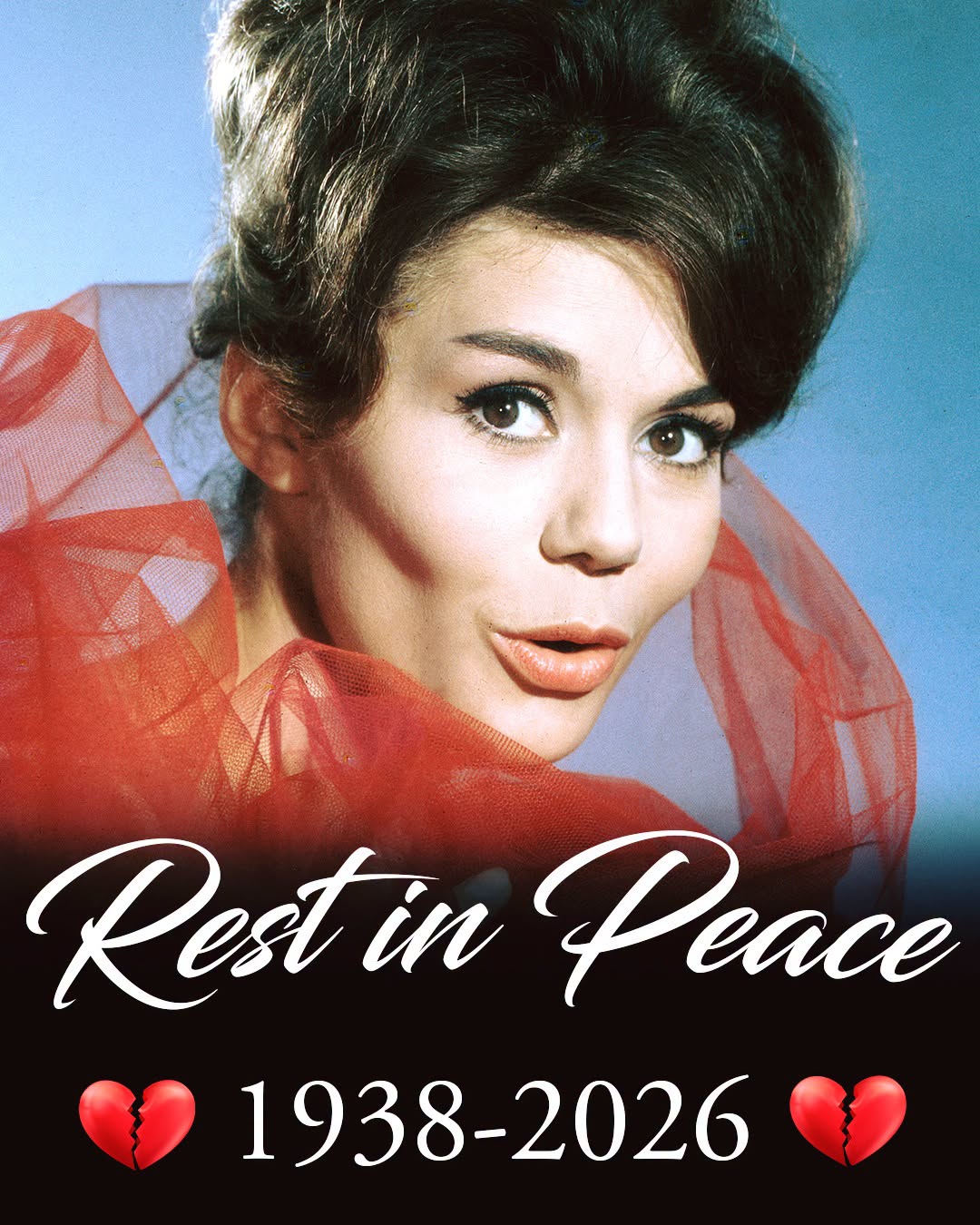
The world of classic cinema is mourning the loss of Giorgia Moll, the Italian actress whose beauty, elegance, and memorable performances helped define an era of European filmmaking.
Moll died on June 2 in Rome, her family announced. She was 88.
Over a career that spanned film, television, and modeling, the dark-haired Moll became a familiar face to audiences on both sides of the Atlantic, appearing in acclaimed international productions alongside some of the biggest stars of her generation.
Elegant and wry, she possessed that blend of Italian and German heritage which lent her an “international” air at a time when such cosmopolitanism was rare.
While Giorgia never sought the spotlight in the way many of her contemporaries did, her performances left a lasting impression on moviegoers and helped secure her place in film history.
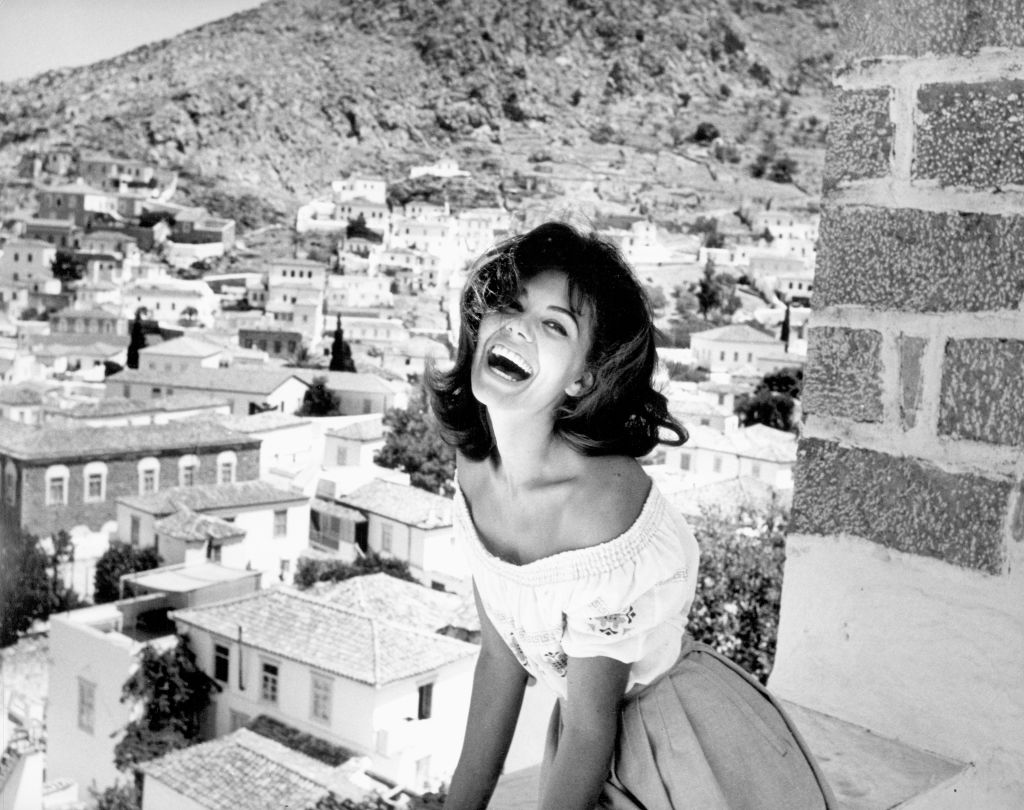
Many American audiences remember Moll for her role as Phuong in The Quiet American (1958), the first film adaptation of Graham Greene’s best-selling novel.
Filmed on location in Saigon, The Quiet American made history as the first feature film ever shot in Vietnam. The movie centered on Phuong, a young Vietnamese woman caught between an idealistic American and a seasoned British journalist.
Moll’s performance brought warmth, elegance, and emotional nuance to the role, helping cement the film’s place as one of the era’s most ambitious international productions.
To prepare for the part, Moll traveled to Vietnam well before filming began and immersed herself in the country’s culture. She studied the clothing, customs, posture, and mannerisms of Vietnamese women in an effort to portray Phuong as authentically as possible. Her dedication impressed everyone involved with the production, particularly when she managed to learn the notoriously difficult Vietnamese language in a remarkably short period of time.
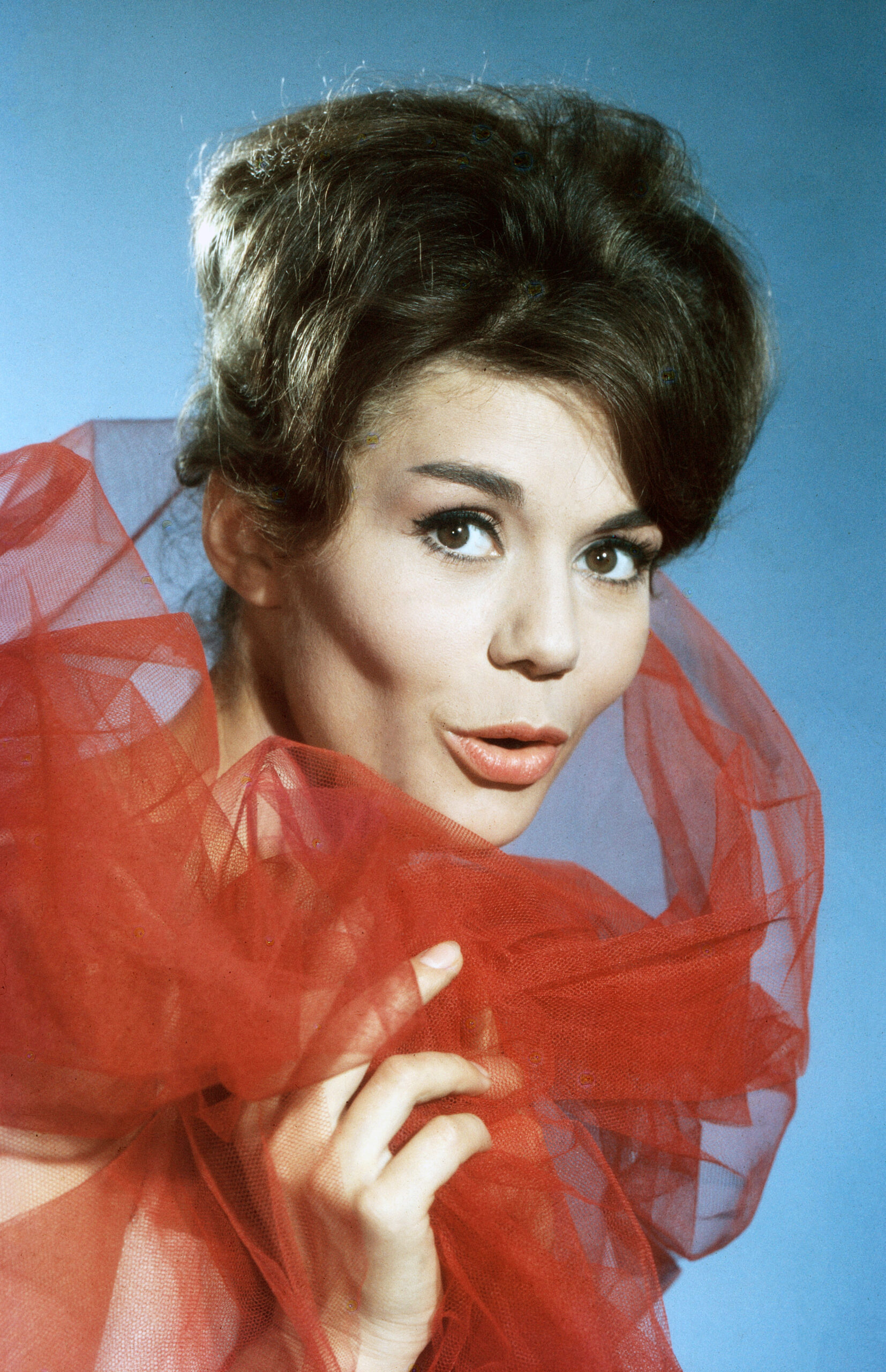
Five years later, she appeared in one of the most influential films ever made: Jean-Luc Godard’s Contempt (1963). Starring alongside Brigitte Bardot, Michel Piccoli, Jack Palance, and legendary filmmaker Fritz Lang, Moll portrayed Francesca, the secretary to Palance’s domineering American movie producer.
The film would go on to become a landmark of the French New Wave movement and remains widely studied and admired today.
Moll also found success in adventure and historical epics that were hugely popular during the late 1950s and early 1960s. She appeared opposite American bodybuilder-turned-actor Steve Reeves in both The White Warrior (1959) and The Thief of Baghdad (1961), and earned recognition for her role in the Italian historical adventure The Cossacks (1960).
In her native Italy, however, many viewers knew her from an entirely different stage.
Her appearances in beloved Pasta del Capitano toothpaste commercials made her a household name. The advertisements aired during Carosello, the iconic nightly television program watched by millions of Italian families after the evening news. Her charm and screen presence helped make the commercials unforgettable for a generation of viewers.
Born in Rome on January 14, 1938, to an Italian father and German mother, Moll began her career as a model before making her film debut at just 17 years old in Non scherzare con le donne in 1955.
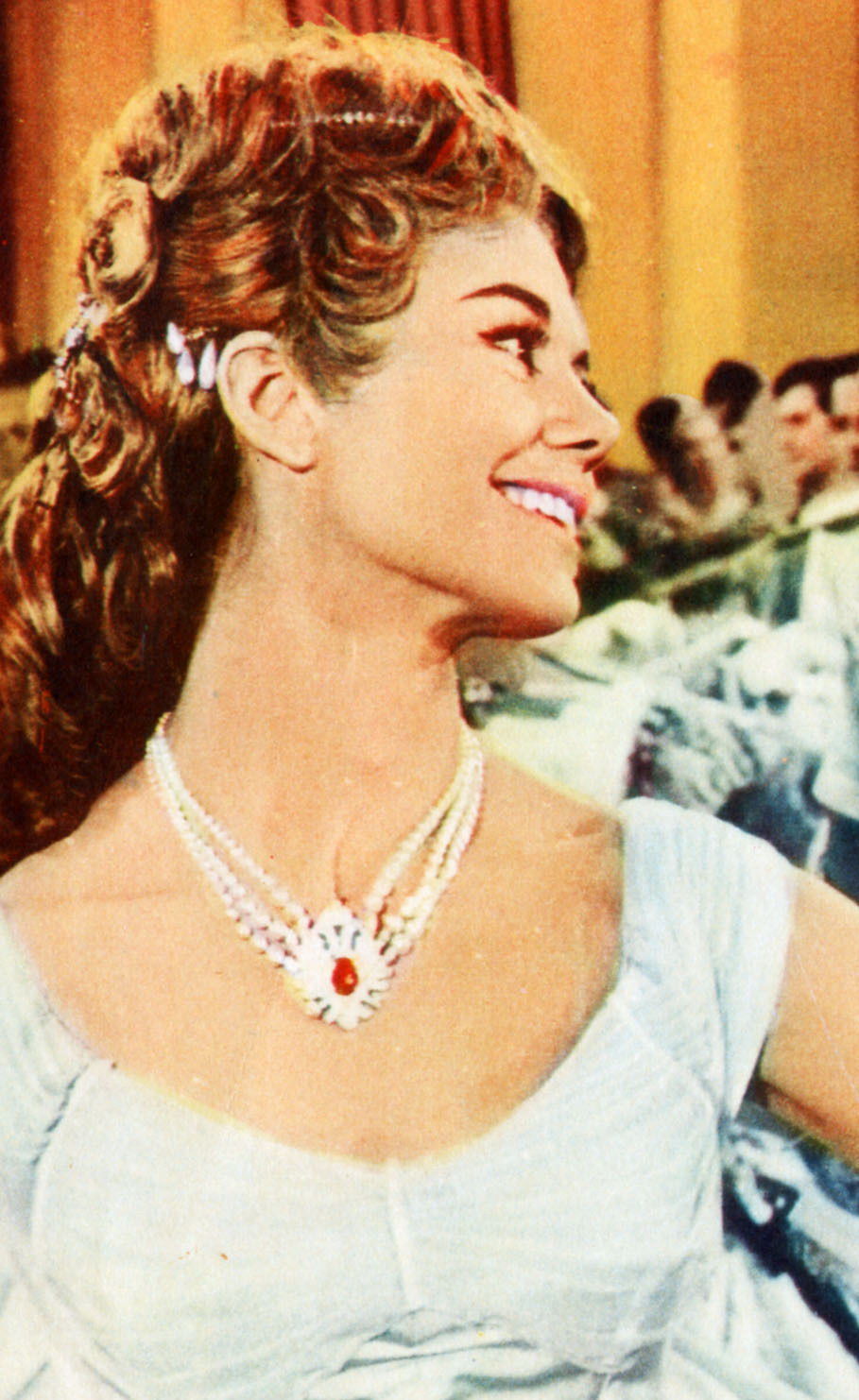
Her talent quickly attracted attention, leading to collaborations with some of Italy’s most respected filmmakers. She appeared in several productions directed by Luigi Comencini and went on to build an impressive international résumé that included roles in Island of Love (1963), starring Robert Preston, Tony Randall, and Walter Matthau, as well as Lipstick (1960), Cover Girls (1963), and Dark Purpose (1964).
Though decades have passed since her most famous performances, Moll remained an enduring symbol of a golden age of cinema — a time when European and American filmmaking increasingly crossed borders and introduced audiences to unforgettable new stars.
With her passing, the film world loses another link to that remarkable era. RIP Giorgia!