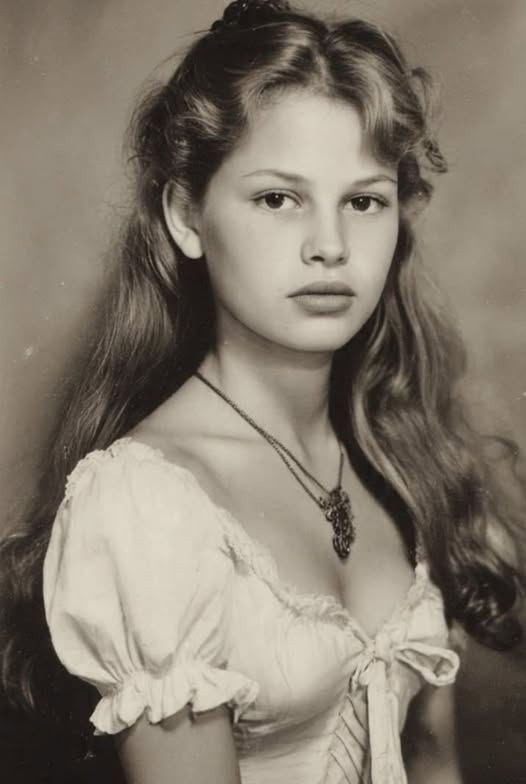
Brigitte Bardot: The Screen Icon Who Turned Fame Into a Cause
Brigitte Bardot, one of cinema’s most unforgettable figures, became internationally famous after her breakthrough performance in And God Created Woman in 1956. The film, directed by Roger Vadim, introduced audiences to Bardot as Juliette, a young woman whose free spirit and striking screen presence challenged the traditional image of women in mid-century cinema. Long before she became a global symbol of beauty and rebellion, Bardot grew up in Paris in a privileged but disciplined household, first studying ballet before modeling opened the door to a very different future. Her natural charisma, delicate features, and magnetic confidence quickly drew the attention of filmmakers, setting her on a path that would transform popular culture. (The Criterion Collection)

Her defining moment arrived with And God Created Woman, a film that reshaped the way femininity and desire were portrayed on screen. As Juliette Hardy, Bardot projected a kind of freedom that felt daring for the 1950s. Her performance unsettled conservative audiences while captivating others who saw in her a new kind of female independence. With her tousled blonde hair, expressive eyes, and effortless style, Bardot became more than a film star; she became a fashion reference point. Her influence helped popularize looks associated with relaxed glamour, including the off-the-shoulder “Bardot neckline,” and encouraged women to embrace a more confident, individual sense of beauty.

Behind the glamour, however, Bardot’s life was far from simple. Her relationships were intensely public, and the constant attention surrounding her image placed enormous pressure on her private world. Although she was admired by millions, fame often felt restrictive rather than liberating. Over time, she became increasingly disillusioned with the film industry and the demands placed on her as a celebrity. In her late thirties, she made the unexpected decision to step away from acting, choosing to leave the spotlight while her name still carried extraordinary power.

After retiring from cinema, Bardot redirected her energy toward animal protection. What began as a personal conviction became the central mission of her later life. In 1986, she founded the Brigitte Bardot Foundation, an organization dedicated to defending domestic and wild animals. The foundation has worked on rescue efforts, shelters, sterilization campaigns, legal action against cruelty, and public advocacy for stronger animal-welfare protections in France and internationally. (Eurogroup for Animals)

Bardot’s activism became inseparable from her legacy. She used the fame that once confined her to draw attention to causes that were often ignored. Her outspoken nature sometimes brought criticism, but her commitment to animal welfare remained firm. Through this second chapter of her life, she proved that she was not simply a symbol of beauty or cinematic sensuality. She was also a woman who reinvented herself and turned public attention into a tool for advocacy.

Brigitte Bardot’s story is one of transformation, contradiction, and lasting influence. She changed the image of women in cinema, shaped fashion and beauty trends, and later used her name to fight for animals on a global scale. Whether remembered as the young star of And God Created Woman or as a determined animal-rights advocate, Bardot remains a figure whose impact extended far beyond the screen. Her legacy endures because she did more than captivate audiences; she helped redefine freedom, image, and personal conviction in the modern age.