Source: Wikimedia Commons

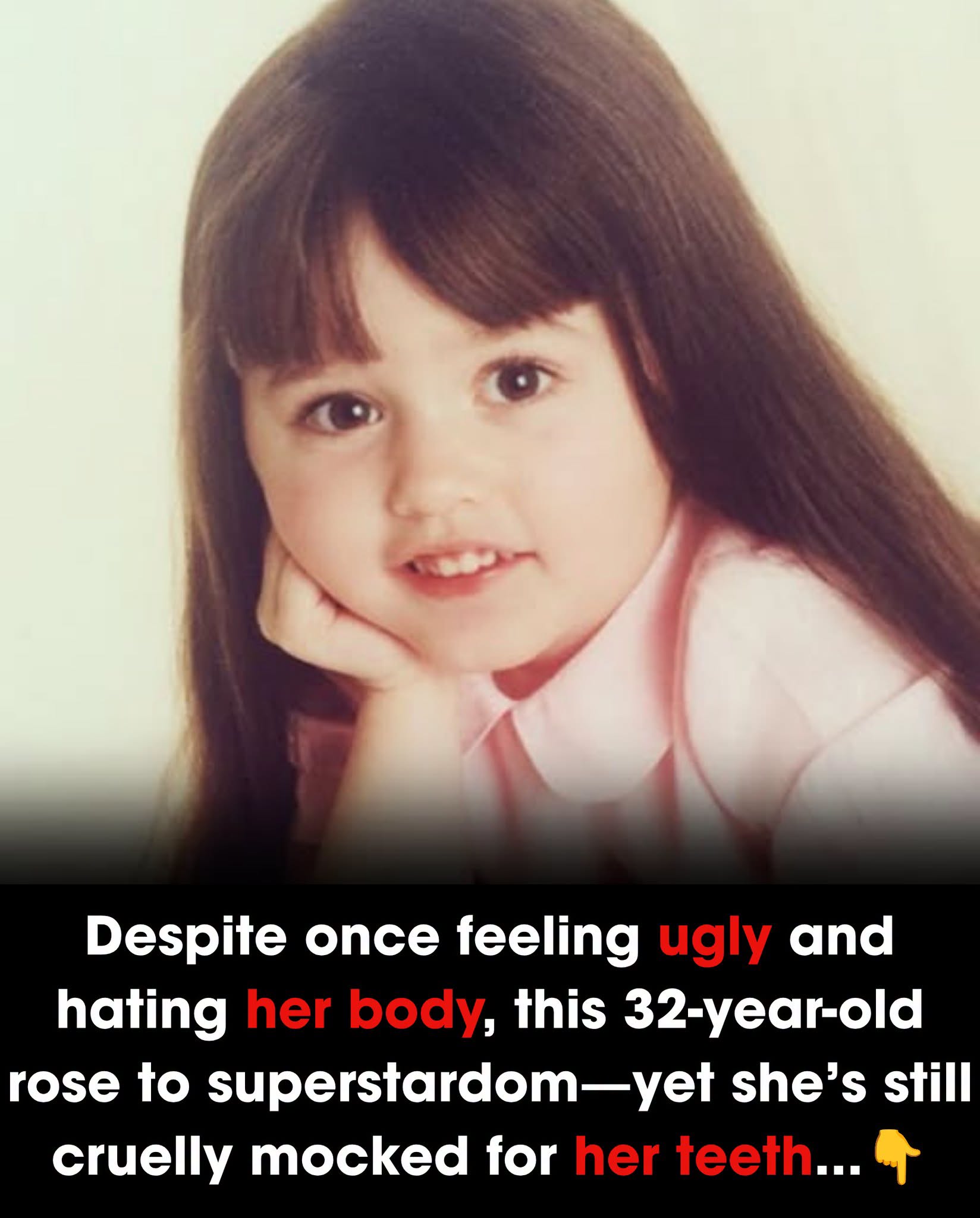
Aimee Lou Wood’s early life was shaped by insecurity, shyness, and painful comments about her appearance, especially her teeth. Long before she became known to audiences around the world, she was a young girl trying to understand why confidence seemed so difficult for her. Over time, however, the very traits that once made her feel different became part of what made her memorable on screen.
Born on February 3, 1994, in Stockport, Greater Manchester, England, Aimee grew up in a family marked by emotional challenges. Her mother worked for ChildLine, while her father was a car dealer. She has spoken openly about a difficult childhood, including her father’s addiction and the instability that surrounded her home life. After her parents separated, her stepfather enrolled her at Cheadle Hulme School, but that environment brought its own pain. (Wikipedia)
At school, Aimee struggled with bullying and became deeply unhappy. She later described the feeling of being noticed after fame as complicated because, as a child, attention had often felt unsafe rather than flattering. For a period, she avoided going out because public recognition stirred up old fear and anxiety. (The Guardian)

Source: Wikimedia Commons

Aimee also dealt with body image struggles and an eating disorder during her younger years. In later interviews, she connected some of her childhood difficulties to neurodivergence, explaining that she had once been extremely quiet, socially anxious, and unable to handle everyday situations in the way others seemed to. In 2025, reports on her Sunday Times interview noted that she had been diagnosed with ADHD with autistic traits and had been advised to consider an autism assessment. (RTE)
Still, drama became a turning point. During her school years, she realized she could either remain trapped in misery or step into performance and use humor, character, and imagination as a way forward. That choice did not erase the pain, but it gave her a path. Acting became more than ambition; it became a form of survival, expression, and self-discovery.
After school, Aimee trained seriously and was accepted into the Royal Academy of Dramatic Art, one of Britain’s most respected drama schools. She graduated in 2017 and soon moved into professional acting. Her major breakthrough came when she was cast as Aimee Gibbs in Netflix’s Sex Education, a role that made her instantly recognizable and later earned her major critical praise. (Wikipedia)
Before landing that role, however, Aimee doubted whether she could fit into the polished world of television. She originally auditioned for Lily and believed the role made sense because the character was once meant to wear braces. She admitted that she had convinced herself Netflix would never cast someone with teeth like hers. Instead, she was called back for Aimee Gibbs, a character who ended up feeling much closer to who she really was. (Stylist)

Source: Wikimedia Commons

Her teeth continued to attract attention as her fame grew. Some viewers celebrated them as refreshing in an industry often obsessed with perfection, but the focus eventually became frustrating. Aimee told GQ that she was happy if people saw her appearance as a symbol of freedom, but she also felt sad when the conversation centered more on her teeth than on her work. (GQ)
That frustration points to a larger issue in entertainment. Hollywood often praises “authenticity,” but women’s appearances are still examined in ways that can overshadow their craft. Aimee Lou Wood’s story shows how exhausting that can be: even when attention sounds positive, it can still reduce an actor to one physical feature instead of recognizing the full person and performer.
Her career, meanwhile, kept rising. After Sex Education, she continued building a strong body of work across television, film, and stage. She appeared in projects such as Living, Daddy Issues, and The White Lotus, with her role as Chelsea in the third season of The White Lotus bringing her even wider international attention. (Wikipedia)

Source: Wikimedia Commons

But even after reaching a new level of fame through The White Lotus, scrutiny followed her. In 2025, Saturday Night Live aired a parody sketch that exaggerated her accent and teeth. Aimee criticized the sketch as mean and unnecessary, and reports said she later received an apology from the show. The moment sparked a wider discussion about the difference between sharp satire and jokes that target someone’s appearance. (The Guardian)
What makes Aimee Lou Wood’s journey powerful is not that she became “perfect” by industry standards. It is that she succeeded without erasing the things that made her recognizable. She has spoken honestly about mental health, body image, bullying, neurodivergence, and the pressure placed on women in public life. That honesty has made her more than a successful actress; it has made her a figure many people see themselves in.
In 2020, when asked whether her teeth had truly blocked her from getting roles, she said the barrier had mostly existed in her own mind. That answer matters because it shows the long shadow bullying can cast. Sometimes the cruelest limitation is not what the world says now, but what a person learned to believe about themselves years earlier. (Stylist)
Aimee Lou Wood’s rise is ultimately a story about refusing to let insecurity write the ending. From a shy child in Greater Manchester to an acclaimed actress recognized around the world, she has shown that individuality is not a weakness to hide. Her success reminds audiences that the qualities people mock can become part of the very presence that makes someone unforgettable.