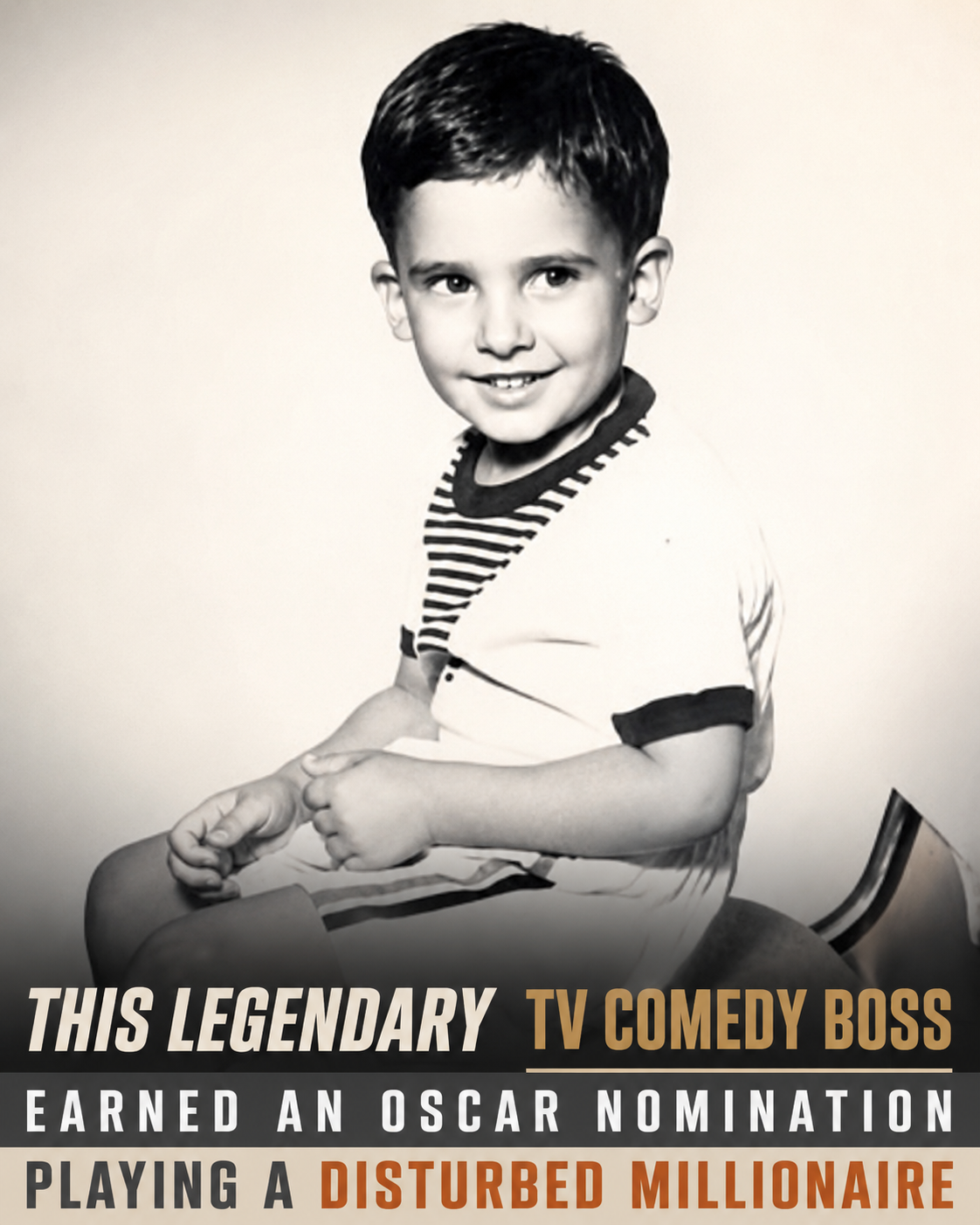
Hollywood is notorious for demanding overnight sensations, yet Steve Carell’s towering career serves as a masterclass in the quiet power of persistence, astonishing range, and meticulously controlled reinvention. Born Steven John Carell in the historic town of Concord, Massachusetts, he bypassed the traditional fast track to cinematic fame. Instead, he spent grueling, formative years sharpening his comedic instincts through stage improvisation, scattered television cameos, and scene-stealing supporting roles before finally erupting as one of America’s most beloved performers. Today, the industry recognizes Carell not merely as a legendary comedian, but as a formidable writer, producer, and director who glides effortlessly between slapstick humor and soul-crushing drama. (Golden Globes)
Long before the world knew his name, Carell was laying his academic and artistic foundations by studying history and theater at Denison University. Cutting his teeth in the competitive ranks of Chicago’s famed Second City comedy troupe, he slowly but surely carved out a space for himself on the small screen. Early career milestones—including a stint on *The Dana Carvey Show*, a smattering of minor film roles, and a highly influential tenure as a deadpan correspondent on *The Daily Show with Jon Stewart*—became the crucible for his signature style. It was here that he perfected the qualities that would define his greatest characters: an outwardly earnest demeanor, razor-sharp timing, and a unique genius for making social awkwardness feel simultaneously hilarious and excruciating. (Wikipedia)
The tectonic plates of his career shifted violently in the mid-2000s, forever altering his trajectory. Audiences were first captivated by his wildly eccentric turn as the neurologically fascinating weatherman Brick Tamland in *Anchorman: The Legend of Ron Burgundy*, where his bizarre, understated delivery turned a minor supporting player into a pop-culture icon. Seizing the momentum, he co-wrote and starred in *The 40-Year-Old Virgin*, miraculously elevating what could have been a crude, one-note sex comedy into a profoundly warm, empathetic exploration of male loneliness and delayed emotional maturity. With a single box-office smash, Carell effectively annihilated his ceiling as a sketch comedian and emerged as a certified, bankable Hollywood leading man. (Wikipedia)
Simultaneously, television history was being quietly rewritten as Carell stepped into the ill-fitting suit of Michael Scott, the agonizingly inappropriate regional manager at the center of NBC’s *The Office*. While critics initially doubted the viability of an American adaptation of the cynical British hit, Carell’s performance quickly evolved far past a simple imitation of Ricky Gervais. His interpretation of Michael Scott was entirely his own: fiercely selfish, hopelessly tone-deaf, and desperate for validation, yet anchored by a devastating, palpable loneliness that made the character impossible to hate.
This masterful tightrope walk of cringe comedy and deep pathos rightfully earned him the 2006 Golden Globe for Best Actor in a Television Series—Musical or Comedy, kicking off a streak of consecutive nominations in the years that followed. Proving his creative engine ran deeper than acting, he heavily influenced the DNA of *The Office* by stepping behind the camera as a writer, producer, and director, ensuring his creative fingerprints were all over the landmark series. (Golden Globes)
Steve Carell during The Office era, 2007

![Source: [Wikimedia Commons]](https://commons.wikimedia.org/wiki/File:SteveCarellOct07.jpg)
Determined not to be forever trapped behind a Dunder Mifflin desk, Carell aggressively resisted typecasting even at the height of his sitcom fame. In the indie darling *Little Miss Sunshine*, he delivered a beautifully restrained, melancholy performance as a deeply depressed, suicidal academic navigating a cross-country road trip with his fractured family, proving his ability to anchor an ensemble without overshadowing it. From there, he expertly juggled massive mainstream live-action comedies—such as *Get Smart*, *Date Night*, and *Crazy, Stupid, Love*—with a lucrative, enduring voice-acting gig as the lovable supervillain Gru in the juggernaut *Despicable Me* animated franchise. (Wikipedia)
However, the most staggering creative metamorphosis of his career arrived via Bennett Miller’s chilling true-crime drama, *Foxcatcher*. Burying himself under heavy facial prosthetics, an altered vocal cadence, and a rigid, unnatural posture, Carell portrayed John du Pont—a spectacularly wealthy, deeply disturbed wrestling benefactor—erasing every recognizable trace of his famous comedic warmth. The result was a suffocating, terrifying cinematic experience where sheer menace was telegraphed through deafening pauses, calculated micro-expressions, and a hollow emotional detachment.
The industry took immediate notice, honoring Carell’s chilling transformation with an Academy Award nomination for Best Actor, while *Foxcatcher* racked up a total of five Oscar nods. This dark, psychological pivot permanently shattered the public’s perception of his limitations, unequivocally proving that the man famous for “That’s what she said” jokes could shoulder the darkest, bleakest corners of dramatic cinema. (Giải Oscar)
Steve Carell at the Toronto premiere of Foxcatcher, 2014

![Source: [Wikimedia Commons]](https://commons.wikimedia.org/wiki/File:Steve_Carell_Close_Up_at_TIFF_2014.jpg)
Refusing to treat *Foxcatcher* as a fleeting dramatic experiment, Carell actively sought out complex, emotionally taxing material in its wake. He delivered heavy-hitting performances in *The Big Short*, *Battle of the Sexes*, *Vice*, and *Beautiful Boy*, breathing life into characters wrestling with blinding ambition, profound grief, moral ambiguity, and deep-seated frustration. His standout work in *The Big Short* and *Battle of the Sexes* yielded even more Golden Globe nominations, solidifying his incredibly rare status as an actor universally revered in both the comedy and drama categories. (Golden Globes)
Returning to his television roots in the streaming era, Carell gravitates toward deeply flawed, challenging protagonists. On Apple TV+’s *The Morning Show*, he tackled the incredibly thorny role of Mitch Kessler, a disgraced news anchor utilized to dissect the nuances of workplace misconduct and the devastating fallout of unchecked power. He subsequently co-created and anchored Netflix’s ambitious workplace satire *Space Force*, before plunging back into psychological darkness as a captive therapist desperately trying to survive a serial killer in the tense limited series *The Patient*. These roles paint a portrait of an artist who has entirely lost interest in playing the uncomplicated hero. (Apple)
Steve Carell in a Peabody Awards presentation portrait, 2021

![Source: [Wikimedia Commons]](https://commons.wikimedia.org/wiki/File:Steve_Carell_in_2021.jpg)
Stepping away from the safety of the camera entirely, Carell conquered a major theatrical milestone by making his Broadway debut as the titular character in a highly anticipated revival of Anton Chekhov’s *Uncle Vanya*. Diving headfirst into classical Russian theater perfectly aligns with the overarching philosophy of his later career: an absolute, unrelenting desire to dismantle whatever safe expectations the public still holds about his artistic capabilities. (Wikipedia)
In a delightful television reunion in 2025, Carell joined forces with Tina Fey for Netflix’s *The Four Seasons*, a sharp adaptation of the classic Alan Alda film chronicling the evolving, complicated dynamics of longtime friends taking seasonal group vacations. Navigating themes of aging, long-term marriage, and shifting loyalties, the series thrived on the chemistry of its veteran comic ensemble, prompting Netflix to bring Carell back for poignant flashback sequences during its second season in 2026. (Netflix)
This recent era of artistic expansion has also been marked by prestigious, real-world academic honors. Recognizing his immense cultural contributions, Northwestern University selected Carell to serve as its 2025 commencement speaker, simultaneously awarding him an honorary Doctor of Arts degree. Delivering a deeply moving address, he urged graduates to prioritize radical kindness, active listening, and the healthy harnessing of personal insecurity—a speech that perfectly mirrored the humble, grounded persona he has fiercely protected despite decades of blinding fame. (Northwestern Now)
Steve Carell attending the 20th-anniversary celebration of The 40-Year-Old Virgin, 2025

![Source: [Wikimedia Commons]](https://commons.wikimedia.org/wiki/File:Steve_Carell_-_The_40-Year-Old-Virgin.jpg)
Ultimately, Steve Carell’s monumental legacy cannot be confined to the legacy of a single, endlessly quotable television boss. He authored a defining era of sitcom history, headlined massive studio blockbusters, secured an Oscar nomination through terrifying dramatic reinvention, and fiercely continued to take wild creative swings long after securing total financial and critical freedom.
His remarkable journey stands as living proof that the art of comedy and the art of drama are not actually warring disciplines, but rather two sides of the exact same coin. Both demand impeccable rhythm, razor-sharp observation, deep emotional intelligence, and a fearless willingness to expose human vulnerability. Whether he is portraying a bumbling corporate manager, a devastated father, a sociopathic millionaire, or just an ordinary man staring down middle age, Carell’s brilliance always stems from his ability to mine the deeply recognizable, painfully human truths buried beneath the surface. It is this exact alchemy of humor, profound discomfort, and raw humanity that has cemented Steve Carell as one of the most mesmerizing, endlessly versatile American actors of his generation.