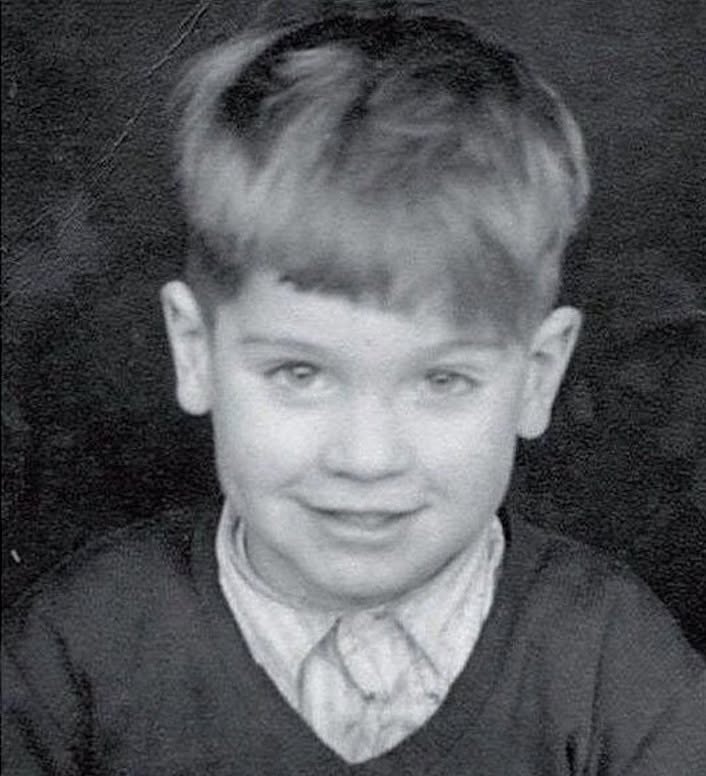
For more than five decades, he stood as one of rock music’s most recognizable and unpredictable figures, helping create a genre that would influence generations of musicians and fans around the world.
Known for his unmistakable voice, outrageous stage antics and larger-than-life persona, the legendary performer transformed from a troubled working-class kid into one of the most influential names in music history. His death at age 76 marks the end of an era that helped shape modern heavy metal.
Long before sold-out arenas and platinum records, the future star was growing up in a modest neighborhood in Birmingham, England. School was often a struggle, and he battled learning difficulties that would later be identified as dyslexia and ADHD. By his mid-teens, he had left the classroom behind and drifted through a series of odd jobs.
His early years were anything but glamorous. He worked manual labor positions, spent time in a slaughterhouse and even had several brushes with the law. At one point, he served time in prison after being convicted of theft.
Everything changed when he discovered music.
Inspired by the explosion of British rock in the 1960s, the aspiring singer began performing with local bands. A friendship with bassist Geezer Butler would eventually lead to a group that sought to create darker, heavier music than anything audiences had heard before.
That experiment became a revolution.
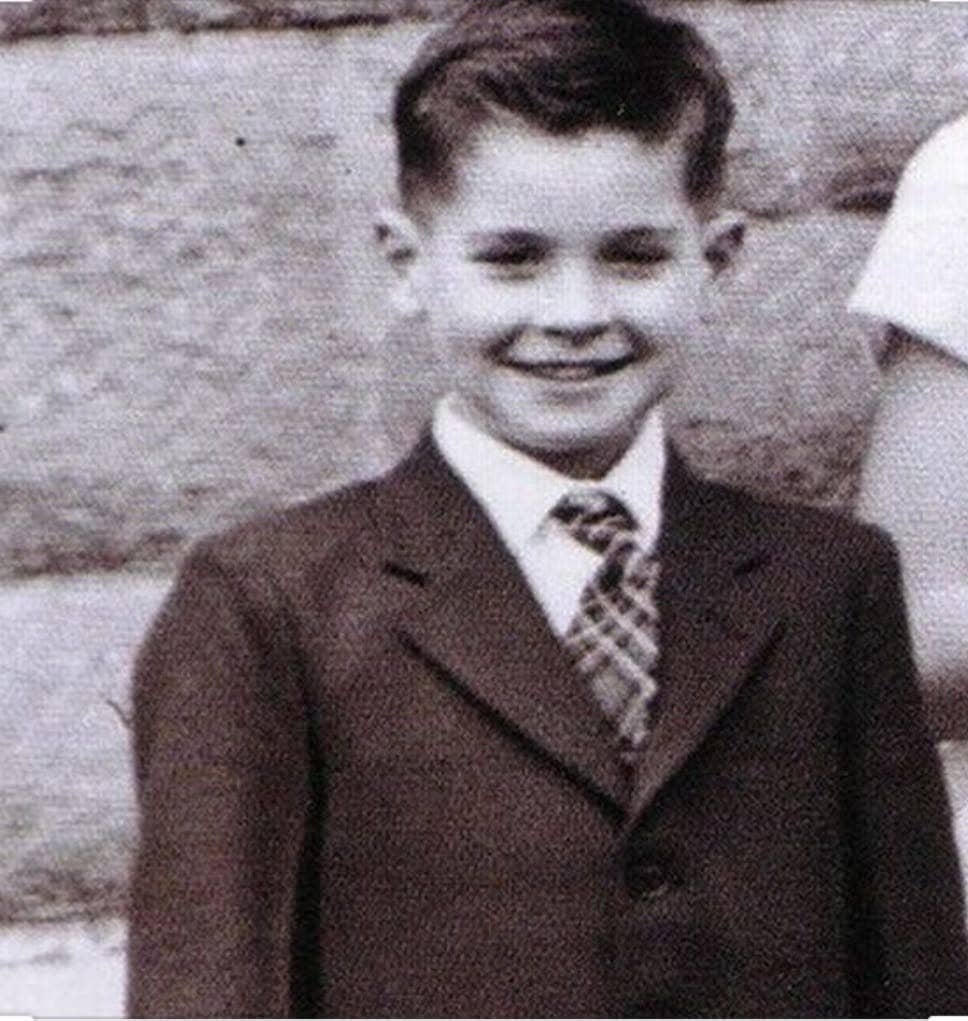
Alongside guitarist Tony Iommi and drummer Bill Ward, the band developed a sound that would lay the foundation for heavy metal. Their music stood apart from the psychedelic and blues-inspired acts dominating the charts at the time, replacing optimism with thunderous riffs and ominous themes.
The musician at the center of it all was none other than Ozzy Osbourne.
As lead singer of Black Sabbath, Osbourne helped deliver classic albums including Paranoid, Master of Reality and Sabbath Bloody Sabbath. The group’s influence would extend across decades, inspiring countless rock and metal acts.
Yet success came with a steep price. Substance abuse, personal turmoil and internal band conflicts eventually led to his departure from Black Sabbath. Many assumed his career was over.
Instead, he launched an even bigger second act.
With the support of his future wife, Sharon Osbourne, he built a thriving solo career fueled by hit albums and massive tours. Along the way, he became notorious for headline-grabbing controversies that only added to his legend.
In the 2000s, Osbourne found a new audience through the hit reality series The Osbournes, which offered viewers an unfiltered look at his family life and transformed him into an unlikely television star.
Despite years of health battles, including Parkinson’s disease and serious spinal injuries, he remained committed to performing. Just weeks before his death, he reunited with former bandmates for a farewell concert near his hometown, receiving tributes from rock legends who credited him with changing music forever.
From prison cells and factory jobs to stadium stages and the Rock and Roll Hall of Fame, Ozzy Osbourne’s life was a story few would have believed if it had been written as fiction. His music, influence and unforgettable personality ensured that the man known as the “Prince of Darkness” would remain a towering figure in rock history long after the final curtain fell.